EUROPE: TAMING TEMU AND SHEIN
The quantity of micro-parcels flooding into Europe is mind-boggling. Every day, more than 12 million small parcels – parcels with a value of less than EUR 150 (RMB 1195) – pour into the European single market.
Most of this micro-parcel traffic emanates from China, with Shein, Temu and AliExpress the biggest suppliers.
The Chinese e-commerce platforms are dynamic, Innovative, and turbocharged by clever advertising campaigns and recommendation algorithms.

However, not all of their products comply with European standards. In November 2025, an operation carried out at Paris Roissy airport by the DGCCRF (the French directorate for competition, consumption and the prevention of fraud) turned up counterfeit articles, as well as cosmetic products, electrical appliances and toys that did not conform to EU regulations. The export of childlike sex dolls shocked Europe.
Shein said in a statement: “We have always cooperated fully with the European Commission and will continue to do so.”
The Chinese platforms are quick to react and always looking to improve quality. Shein exports massive amounts of clothing to Europe, but the majority of its textile products do in fact meet EU standards.
The EU has been slow to get to grips with this massive influx of goods.
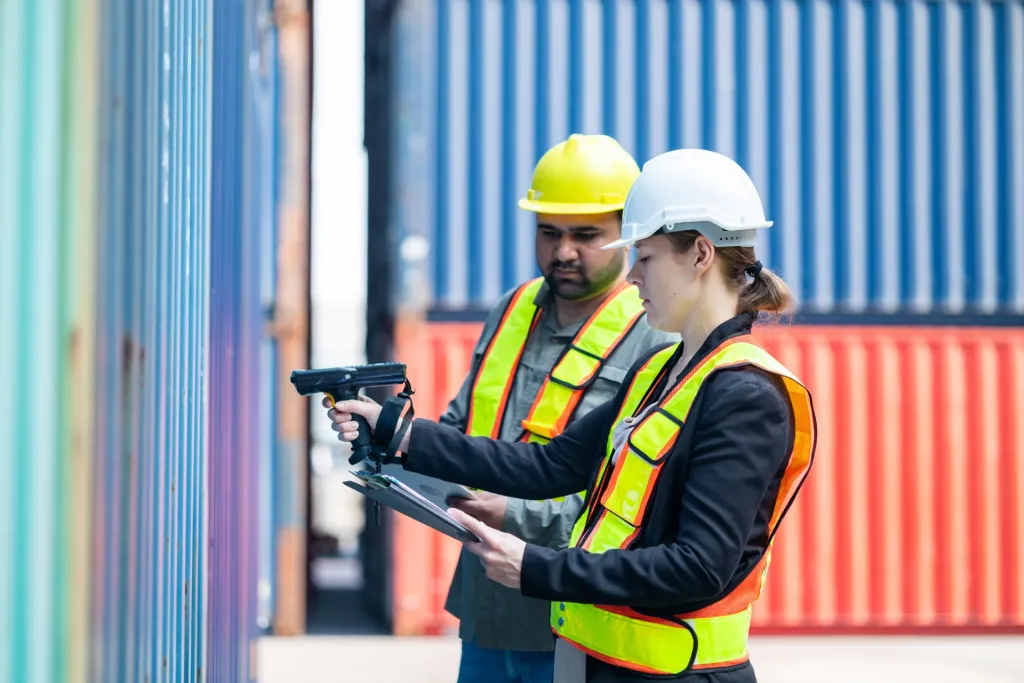
In March 2025, France struck out on its own by imposing a tax of €2 per parcel on micro-parcels entering France from outside Europe. Within days, cargo flights between China and Roissy airport dropped by more than 60%, with parcels being diverted to airports in other EU countries such as Belgium and Poland, and transported to France by truck.
At Liege airport in Belgium, officials estimate that Temu, AliExpress and Shein are responsible for 40%-60% of their air cargo arrivals.
Airport spokesman Christian Delcourt explains: “Imposing a tax of x euros per parcel in just one European country doesn’t work, you’re just shooting yourself in the foot. If the objective is to regulate the sector better, it has to be done at the European level.”
With the flood of goods too large to ignore, the EU has finally got its act together.
In February, it opened a formal investigation into Shein, looking into the marketing of prohibited products and at how the company captures users’ attention and rewards engagement. No legal deadline has been set for completing the formal procedure.
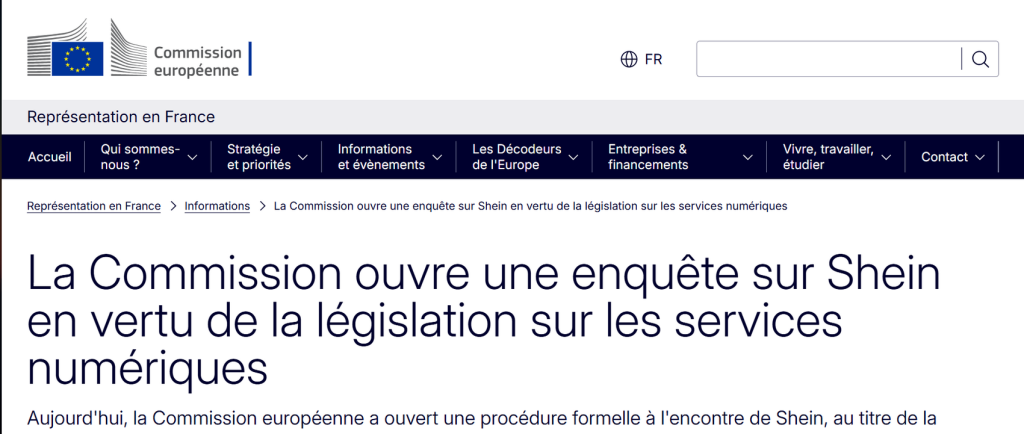
If Shein is found to have violated the Digital Services Act (DSA), it would face a fine of up to 6% of its annual worldwide turnover.
Shein has not disclosed its 2025 revenue figures, but multiple reports indicate that Q1 sales could be as high as USD 400 million, with profits for the year close to USD 2 billion.
Taxes and processing fees
On 26 March 2026 European action moved to a new level with the European Parliament putting the finishing touches to a major agreement reforming the EU Customs Code.
The key points are:
- E-commerce platforms sending parcels directly to EU consumers may be treated as importers
- New handling fees for goods ordered directly from non-EU countries
- Companies that wish to benefit from a simplified “trust and check” system must undergo vetting
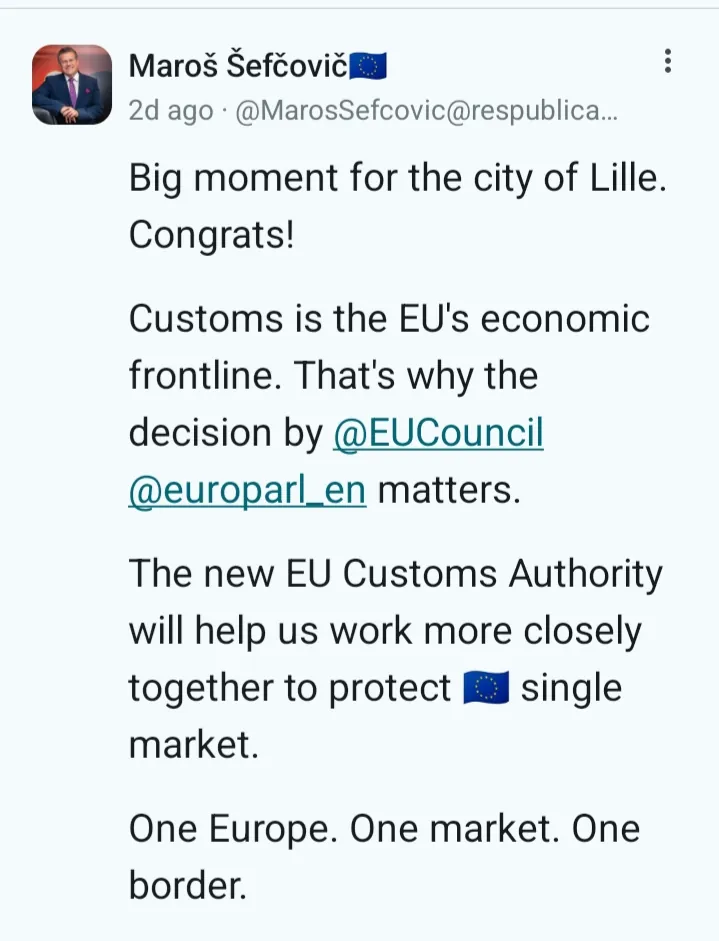
- A new EU Customs Authority, based in Lille, will develop a centralised digital platform to replace more than 100 different national IT systems
Up until now, a European customer ordering an item on Shein or Temu was considered to be the importer and therefore responsible in law for ensuring that the products conformed to EU standards. In reality, the customer had no way of doing this.
From now on, the platforms will have to assume full customs and regulatory responsibility themselves. Platforms that decline the status of “deemed importer” will have to appoint a legal representative in the EU.
The reform abolishes the “de minimis” clause which exempted parcels worth less than EUR 150 from customs duties, replacing it with a flat tax of EUR 3 per item from 1 July 2026.
The reform also introduces processing fees of around EUR 2 per package to be applied from 1 November 2026.
In summary, platforms that continue to ship direct to Europe will need to fork out a total of EUR 5 per package from later this year.
A change in mindset
At root, the EU is inviting the Chinese e-commerce platforms to adopt a more partnership-oriented mindset instead of treating the EU as a receptacle for their products. European companies such as the German e-commerce platform Zalando import products wholesale, store them in warehouses in Europe and ship them from those warehouses to the consumer.
The EU would like the Chinese platforms to adopt a similar approach, assuming full legal responsibility for stored products.
Faced with the staggering volumes of e-commerce, it is also seeking to simplify and standardise customs controls and streamline the payment of customs duties.
On Mastodon, EU Trade Commissioner Maroš Sefčovič congratulated Lille on being chosen as headquarters for the new ECA…