EUROPE UPS THE PACE ON PATENTS
As bombs fall in Iran and in Ukraine, and policy uncertainty and supply chain disruption become features of the global economic landscape, Europe is heeding repeated warnings about weak European competitiveness.
And it is using its innovative capacities to seed new partnerships – in the US and in Asia.
In 2023 Mario Draghi, who spent nearly a decade at the helm of the European Central Bank, was tasked by the European Commission with preparing a report on European competitiveness.
The report was released in September 2024.
Draghi set out a stark warning: “The previous global paradigm is fading. The era of rapid world trade growth looks to have passed, with EU companies facing both greater competition from abroad and lower access to overseas markets. Europe has abruptly lost its most important supplier of energy, Russia.”
“All the while, geopolitical stability is waning, and our dependencies have turned out to be vulnerabilities. Technological change is accelerating rapidly. Europe largely missed out on the digital revolution led by the internet and the productivity gains it brought: in fact, the productivity gap between the EU and the US is largely explained by the tech sector.”
He added: “The EU is weak in the emerging technologies that will drive future growth. Only four of the world’s top 50 tech companies are European.”
In a troubled world, Europeans are looking for positive actions and positive partnerships.
Take the area of patents. The last five years have seen a surge in applications for patents in numerous European countries. Spain, for example, has dramatically upped its filings.
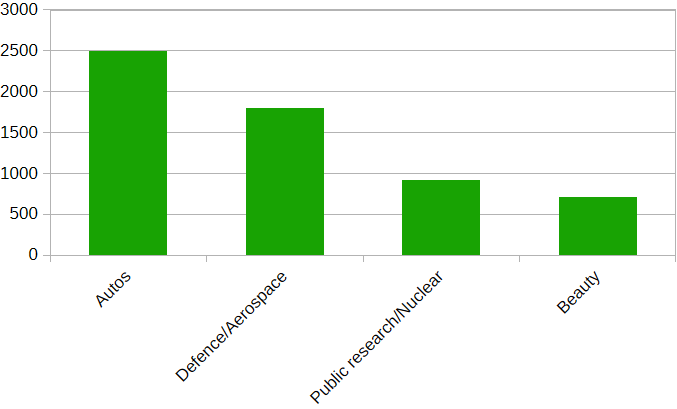
Or take the case of France. 2025 was a bumper year for new patent filings in France. Auto industry heavyweights Stellantis, Renault and Valeo led the way with 2497 patent applications. In the defence and aeronautics sector, Safran, Thalès and Airbus filed 1807 submissions. L’Oreal chalked up 714 applications in the beauty/cosmetics field and public institutions CEA (the French Atomic Energy Agency) and CNRS (public research) filed a further 918 applications.
One sector that is drawing attention is electric propulsion systems for short-haul and medium-haul aircraft.
Industry insiders maintain that the next generation of short-haul and medium-haul aircraft will be powered by electric motors.
Safran is a major French group with over 100,000 employees and sales in 2025 of EUR 31 billion. It has around 20 subsidiaries, one of which is Safran Electrical & Power.
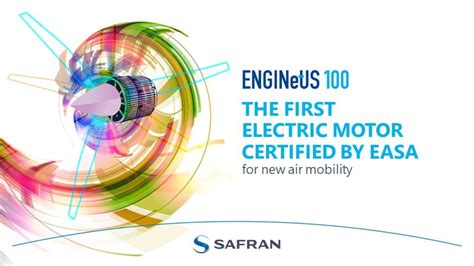
In February 2025, Safran Electrical and Power’s “ENGINeUS100” engine became the first electric motor to be certified by the EU Aviation Safety Agency (EASA).
Light and compact, with a very efficient air cooling system, the engine boasts an impressive weight/power ratio of 5 kW/kg.
A Safran spokesman said that more than 1500 hours of engine certification tests and more than 100 hours of flight in real conditions were needed to earn the certification.
Safran E&P will mass produce the new electric motor range in France (Niort) and the UK (Pitstone), initially aiming at 1000+ units per year.
Safran’s capacity to innovate in this space is laying the seeds for new international partnerships. Beyond Europe, customers for these new motors include Bye Aerospace from the USA and CAE from Canada.
Another customer is a Chinese air taxi company called TCab Tech that is developing eVTOL (electric vertical take-off and landing) aircraft.
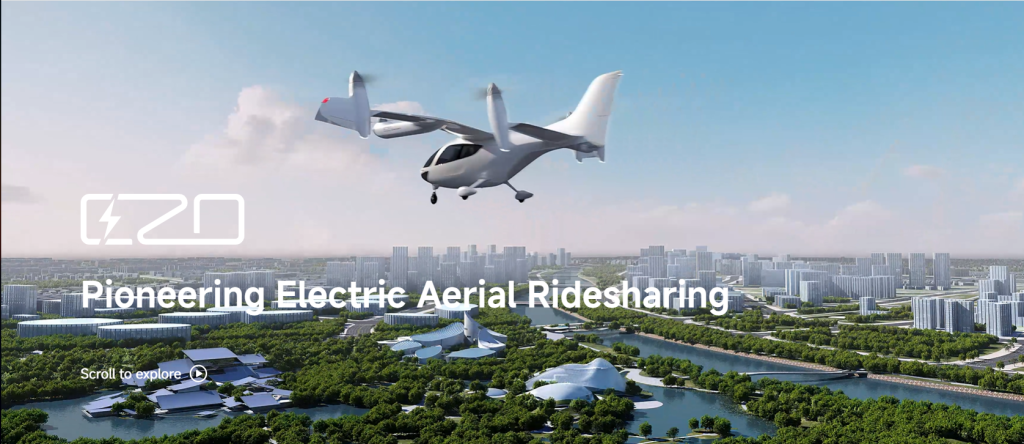
The connection between Safran and this Chinese start-up matters because the low-altitude economy sector was designated a strategic emerging sector in China’s 15th Five-Year Plan (2026-2030).
In a world riven by economic conflict, Europe and China have much to work on together.