EUROPE: THE ENERGY CONUNDRUM
With the Middle East in uproar, and the Strait of Hormuz closed to most traffic, energy prices are surging once again.
Geopolitical shocks and price hikes go together… like peas and carrots.
For European countries, as everywhere else, inflation is in the pipeline. The EU Commission – which held its “Competitive Europe Summit” in Brussels on 24 March – is worried about the downstream effects of the conflict for both companies and households. Rising prices at the petrol pump, hefty utility bills, higher prices for food, furniture, building materials, airline tickets and clothing… the final months of 2026 will hit voters in their wallets.

There are both short-term and long-term energy concerns. European countries such as Italy, Hungary, Slovakia and Austria have sown doubts about the ETS carbon trading system. They are more concerned with energy prices in the short term than the EU’s decarbonisation goals.
But the EU is wary of losing sight of its long-term strategic objectives of reducing dependence on imported fossil fuels and improving the security of its energy supply.
As Canadian PM Mark Carney pointed out in an address to the Australian Parliament on 5 March: “A couple of decades ago, in terms of the economy, we only thought about efficiency. Now we also need to think about resilience… because dependencies are vulnerabilities”.
European proponents of the energy transition maintain that the only way to stabilise energy prices in the long term is to electrify on a massive scale: EVs, heat pumps, and industrial processes powered by electricity. This implies more investment in renewables, and faster deployment, as well as the right fiscal signals.
In some European countries, such as Croatia, Poland and Belgium, electricity is taxed much more heavily than gas. The Commission wants to change this. Its watchword: tax electricity less, tax gas more.
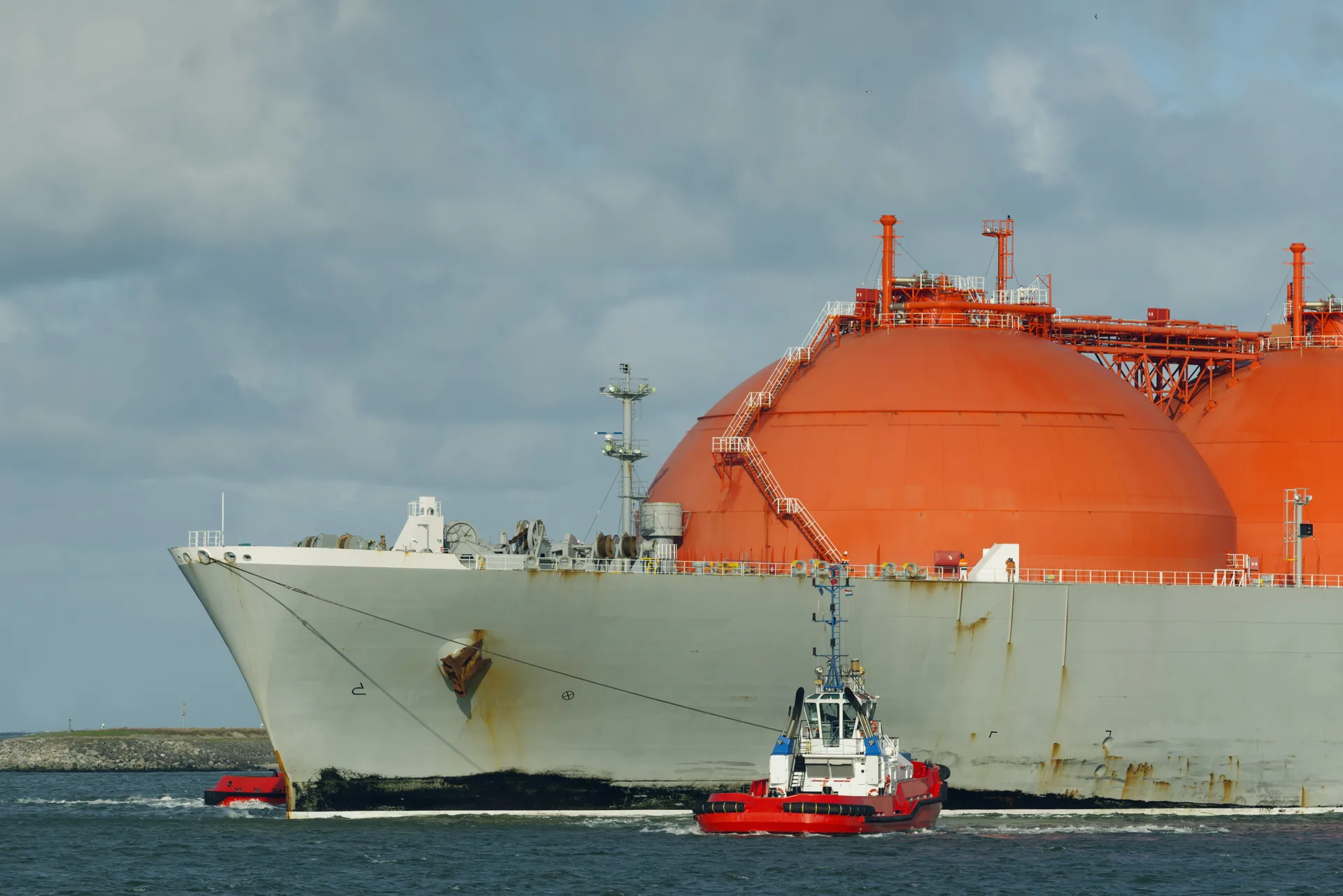
Gas is a particular pain point for the EU: in 2025, the bloc imported 90% of it gas. While the top supplier was close ally Norway, the EU also imports gas from the USA, Algeria, Azerbaijan and Qatar… and 13% of its gas imports in 2025 still came from Russia, down from 45% prior to the Ukraine war, but still significant.
The EU aims to have half of its economy electrified by 2040 with the demand for gas reduced to 30% of its current level.
This implies investment in infrastructure. In hubs such as Frankfurt and Dublin grid congestion has created 7–10-year connection queues.
When it comes to adding renewable energy capacity, Europe is unable to match China’s pace – in 2025 Europe added 89 GW, just a fifth of China’s 452 GW – but it will keep pouring money and innovation into net-zero technologies which it sees as strategically indispensable for a “hotter, more uncertain” world.
A bright spot on Europe’s energy resilience horizon is France’s strength in the nuclear field. Of the 100 operational nuclear reactors in the EU, 57 are in France. There are 7 in Spain, 6 in Sweden and Czechia, and 5 in Belgium, Finland and Slovakia.
China has 59 reactors in operation.
Speakers at the second Nuclear Energy Summit in Paris on 10 March – jointly organised by France and the IAEA and attended by Chinese Vice Premier Zhang Guoqing – insisted that the electrification of the economy helps protect against the volatility of oil. EU Commission President Ursula von der Leyen has recognised that it was “a strategic mistake” to reduce the share of civil nuclear power in Europe.
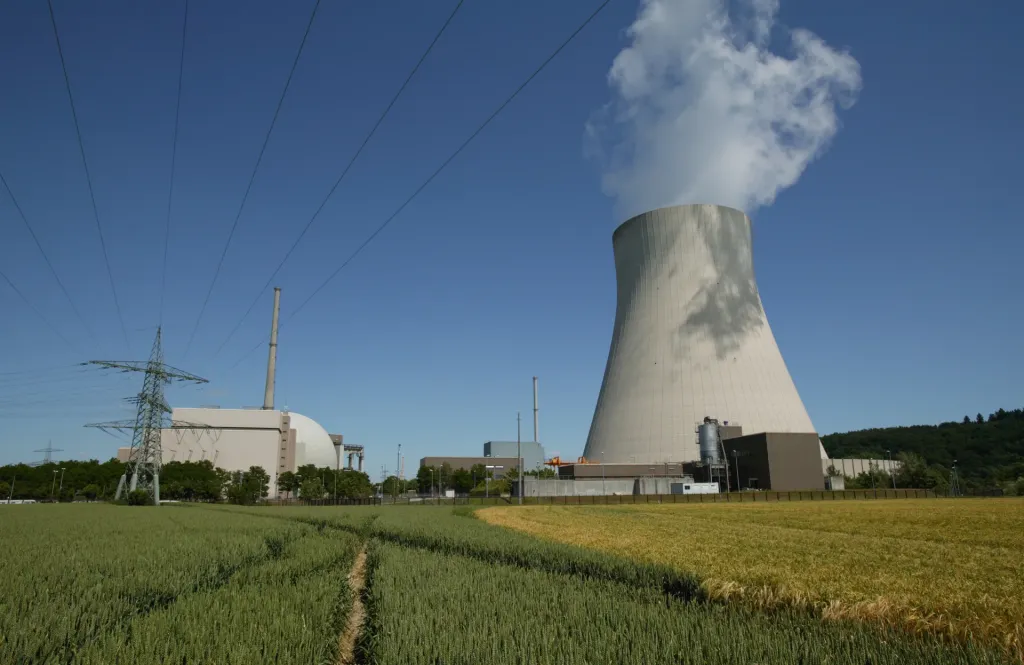
The ructions in the fossil fuel market have put fresh wind in the nuclear industry’s sails and may open up opportunities for cooperation between China and the EU.