
EUROPE WANTS EUROPEAN TECH
Everyone working on a computer in Europe today uses at least one American technology: Dropbox. Chat GPT. Gmail. Microsoft Teams. Zoom. Instagram. WhatsApp. Grok. The list goes on.
But more and more European users, corporates and governments are looking to ditch American tech.
Why? Simple. Under Trump, the US is no longer an ally for Europe but an adversary. The European Commission regularly finds itself at odds with X, Grok, Alphabet and Meta: most recently, about the way Grok generates sexualised images of children.
Similarly, when Microsoft allegedly shut off access to its systems to a prosecutor at the International Criminal Court in The Hague, Europeans took notice.
In the past, European consumers gaily signed up with American tech companies, giving away screeds of data. Now, as they become aware of how much power they have ceded to the US giants, and in what little regard the US holds them, they are looking for alternatives.
Fortunately, in many areas, European options exist.
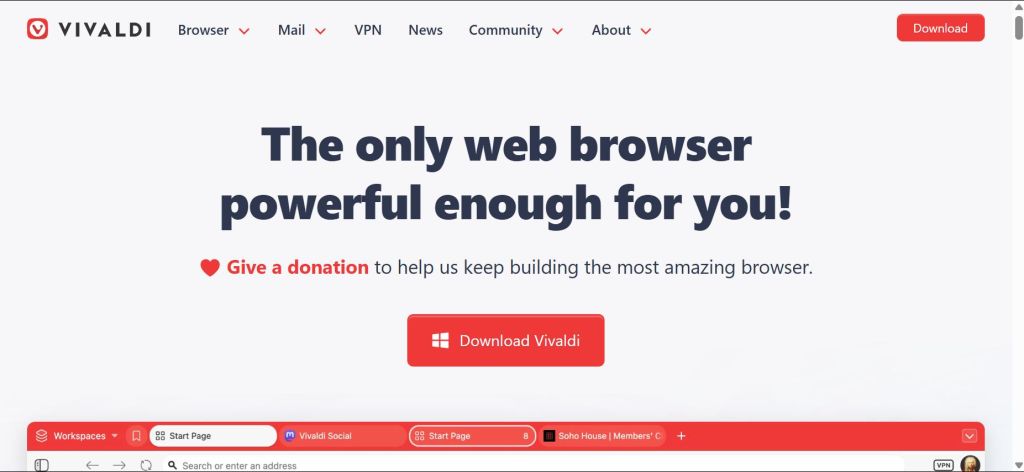
Take web browsers: VIVALDI, developed by a team from Norway and Iceland, is a “fully-fledged” European browser. Those who have installed it testify that it is equal, if not superior, to anything America can offer.
Email: the encryption protocols and other security features of Proton, which hails from Switzerland, are so good that security-conscious Americans are also adopting it by the score.
Search: Ecosia (Germany) and Qwant (France) are making strides.
AI: French people use LeChat from Mistral, a company not yet three years old but already valued at over EUR 12 billion. Says CEO Arthur Mensch, “European firms are realising that they can’t afford to entirely depend on foreign providers.”
Follow the money
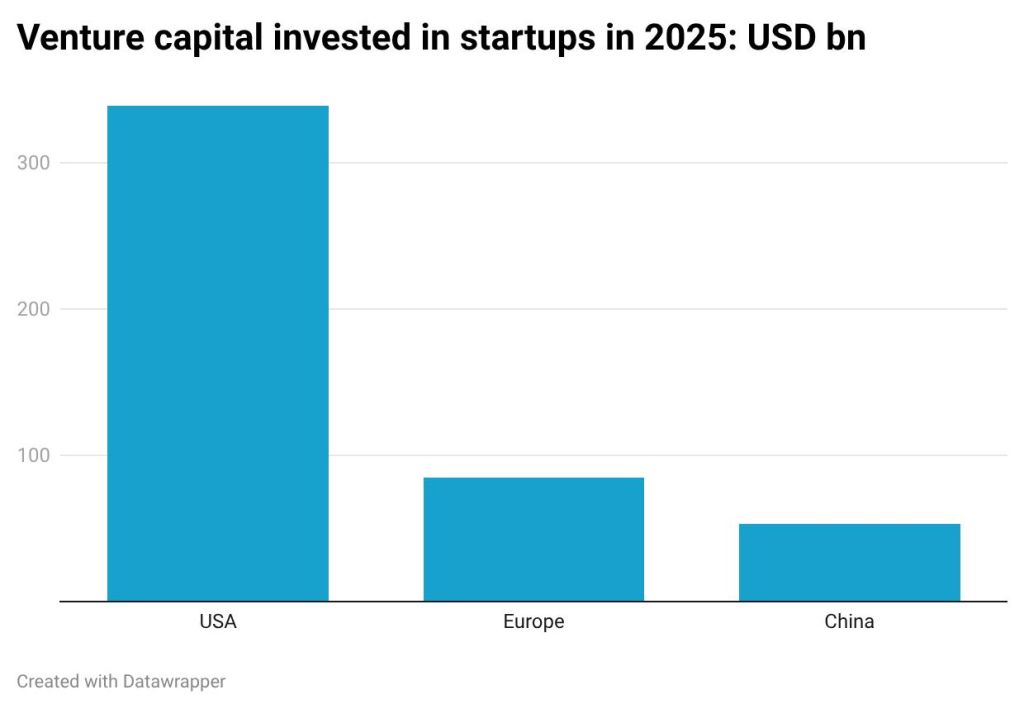
Venture capitalists have seen which way the wind is blowing and are ploughing in funds. According to the Economist, in the period 2015-2025, venture capital investment in EU tech start-ups has increased fourfold, from USD 22 bn to USD 85 billion. This has allowed the EU to nudge China out of second place in terms of new tech investment.
In short, users are keen, the money guys are interested, and EU policymakers are finding ways to strengthen the continent’s technology ecosystem. In September the EU Commission announced a new plan to unify Europe’s segmented capital markets, which will help startups raise money.
As Trump and his cronies bad-mouth Europe, scorn climate science and defund science in general, opportunities are opening up for Europe in three key areas:
Climate-tech
Defence-tech
Science-tech or deep-tech
Sweden, for example, has become a breeding ground for green-tech startups.
In the area of visioconferencing, the French government has announced that – by 2027 – it will oblige all government entities to switch away from US offerings such as MS Teams, Webex and Zoom in favour of a home-grown system called Visio.
From Europe’s point of view, not only do the American tools add complexity and cost, they represent a double threat: a threat to data security on the one hand, a strategic dependency threat on the other.
In the lawless world we live in, digital sovereignty is essential.
“Buy Europe” has the wind in its sails.
<!– wp:social-links –><ul class=”wp-block-social-links”><!– wp:social-link {“url”:”https://gravatar.com/devotedlydelicious88b9eb954c”,”service”:”gravatar”,”rel”:”me”} /–></ul><!– /wp:social-links –>